- Commercial Greenhouse
- Film Greenhouse
- PC Greenhouse
- Glass Greenhouse
- Tunnel Greenhouse
- Scientific Research Greenhouse
- Vegetable Greenhouse
- Flower Greenhouse
- Multi-span Greenhouse
- Sawtooth Greenhouse
- Greenhouse Equipments
- Greenhouse Accessories
- Hot Dip Galvanized Pipe
- Irrigation System
- Hydroponics System
- Planting Tools
- Planting technology
Tel: +86 191 5068 3942
Fax:
Mobile: +86 191 5068 3942
Contact: Alina
E-mail: sales@cngreenhouses.com
SKYPE:


- Features


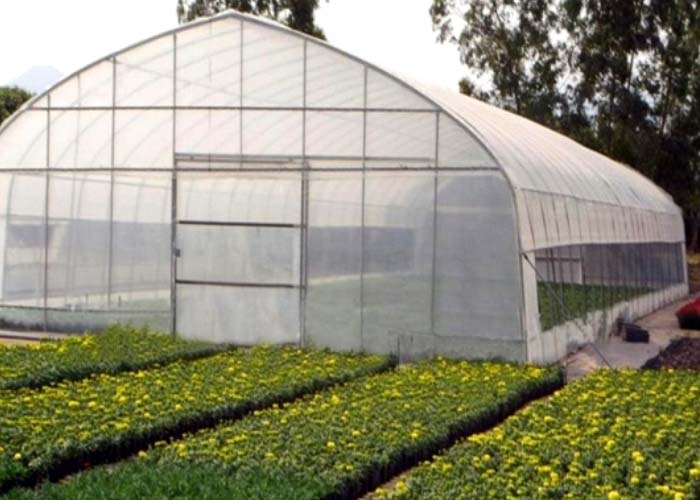
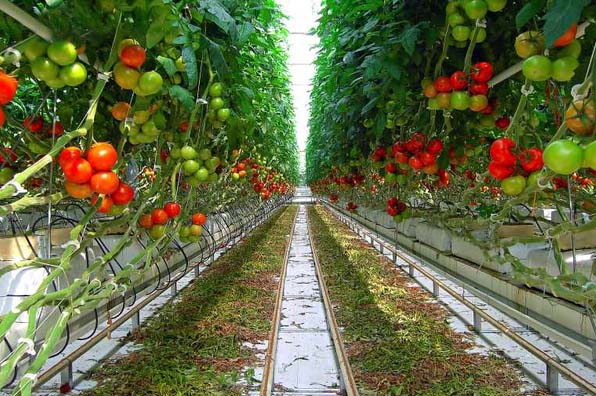
Description:Film structure with good insulation
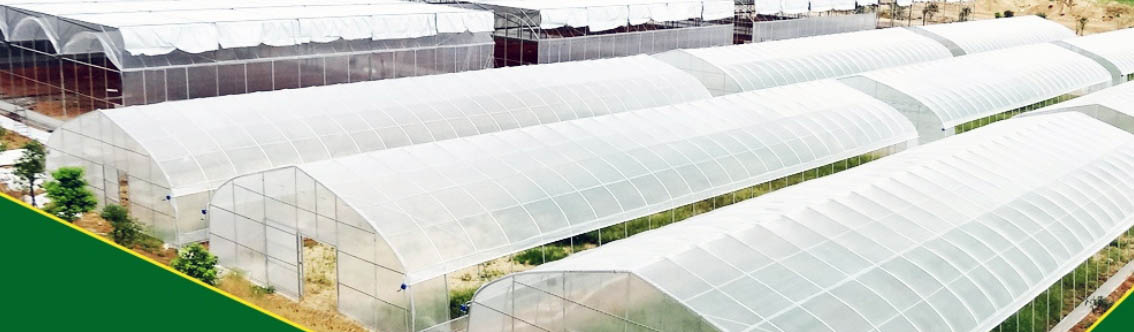
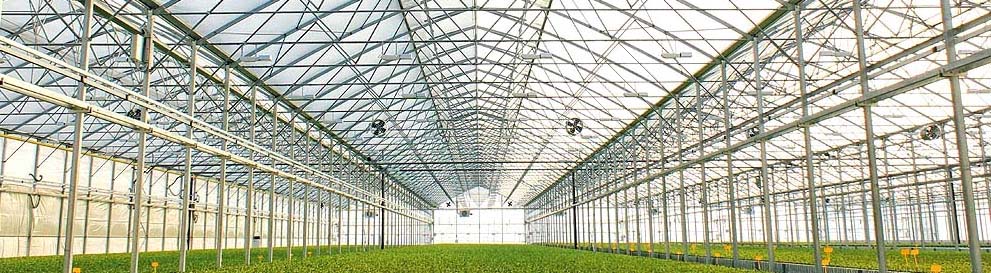
A film greenhouse built for vegetable crops works on excellent thermal insulation of the film structure frame, which is why an in-season vegetable supply stays possible. The usual build uses a steel skeleton with the top covered by one or several layers of insulation plastic film, forming a closed growing space. Drainage matters as much as covering: draining well keeps the film and the space under it in working order, and the enclosed volume keeps the insulation effect the crop depends on.
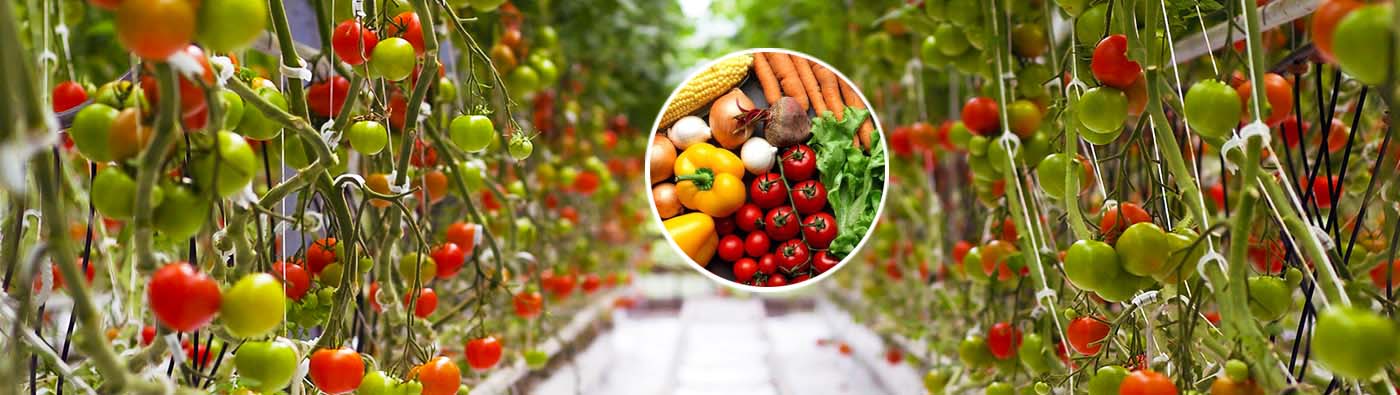
Adjusting the vegetable production season, and promoting high yield and quality, is one of the effective means of increasing revenue. The same film house that holds warmth in a cold season holds heat in a hot one, which is why a summer cooling plan is decided before the season, not during it.
Three cooling tools and what each one really does
Shading, ventilation and wet pad or misting act on three different things, and confusing them is the main reason a cooling plan underperforms.
- Shading cuts incoming radiation before it becomes heat inside the house. It is the only one of the three that removes the energy load at the source. Its cost is light, so it always trades growth for temperature.
- Ventilation exchanges the air that has already been heated and carries out the moisture the crop transpires. It can only pull the inside towards outside conditions — it cannot go below them.
- Wet pad or misting uses evaporation to bring air temperature down, and is the only group member that can act when the outside air itself is hot. It also raises humidity, which is exactly what makes it unsuitable in some climates and at some growth stages.
Because the functions do not overlap, they are complements rather than alternatives. Shading reduces the load, ventilation removes what is left, and evaporation covers the gap when outside air is already too warm.
Priority: match the first measure to climate and crop
Choose the lead measure from two questions — how hot and how humid the local summer is, and what the crop can tolerate.
- Dry, sunny, large day-night swing: lead with shading, then ventilation. Radiation is the dominant load, and evaporative cooling has more room to work later in the day when the air is dry.
- Humid, cloudy, small day-night swing: lead with ventilation. Evaporative cooling adds humidity the air cannot carry away, so it belongs at the end of the sequence, if at all.
- Very hot and dry outside air: ventilation alone stops helping once outside air is hotter than the target, so evaporation moves up the priority list.
- Leafy crops and young seedlings: tolerant of moderate shading and sensitive to heat stress, so shade and airflow come first.
- Fruiting crops in full production: light is the yield driver, so excessive shading is the risk — favour ventilation and, where the climate allows, evaporative cooling over heavy shading.
Investment order and how to judge the combination
Build the plan in the order that adds the most cooling per unit of cost and disruption:
- Get ventilation right first. It removes heat at the lowest running cost and is the base every later measure sits on. A house that cannot exchange air will not be fixed by shade or by water.
- Add shading second as the season proves the radiation load is the limit. Start with the milder setting and increase only when the crop shows heat stress.
- Add wet pad or misting last, once ventilation and shading are already working, because its benefit depends on the air exchange and the radiation load that the first two measures manage.
Judge the combination over a full day, not by a single reading: whether the afternoon peak is flattened, whether the crop stays productive through the hottest hours rather than merely surviving, whether humidity is carried out by the ventilation instead of accumulating, and whether water and power for evaporation are spent at the hours that matter. Layout details for the openings and the air path are covered in roof vent and louvre arrangement, and the shading layer itself in external shading for film vegetable greenhouses.
What a single measure leaves unsolved
Shading on its own suppresses light with no way to flush the heat already inside. Ventilation on its own cannot cool below the outside air and stalls in still, humid weather. Wet pad or misting on its own raises humidity without an air change to remove it, and becomes a disease risk rather than a cooling measure. Each single measure fails where the other two are strong, which is the argument for treating them as a sequence with a priority rather than a list to choose from.
Keeping the cooling plan honest also means keeping the rest of the crop management honest, because where a film vegetable house still disappoints the cause is often not temperature but the familiar setbacks. Fertilizer damage comes from salt accumulation, pesticide injury from a wrong choice or concentration, drought stress from poor siting or incomplete drainage and irrigation, and continuous cropping obstacles from repeating the same vegetable family. The responses stay practical: site the house where water is sufficient and clean, make ditches and drainage work, and provide irrigation properly; fertilize in balance with matured organic manure and refined organic fertilizer, shift the nitrogen and phosphorus rate towards more potassium, apply by stages and relieve stress with foliar feeding; and rotate eggplant, tomato and melon types instead of repeating them.
A wider range of structures and fittings sits in the greenhouse accessories and equipment range. For cooling practice in commercial vegetable production, see the guidance published by the United States Department of Agriculture and the grower reports collected by Hortidaily. To discuss a film vegetable greenhouse project, write to sales@cngreenhouses.com or call +86 191 5068 3942.
Frequently Asked Questions on summer cooling
Q: If only one cooling measure can be installed this season, which one should come first?
Ventilation, in almost every climate. It removes the heat the film house has already collected, costs the least to run and cannot be replaced later by shade or water. Shading and evaporative cooling both work better once air is moving.
Q1: How do I decide between shading and wet pad cooling?
By radiation load and by humidity. Where the summer is sunny and dry, shading removes the incoming energy and evaporative cooling has dry air to work with, so the two combine well. Where the summer is humid and overcast, shade adds a light penalty without solving the humidity, and evaporation has little driving force.
Q: My greenhouses ventilate well but afternoons are still too hot. What is missing?
Ventilation can only bring the inside towards the outside air, so it stops helping once the outside is hotter than the target. That is the point where radiation removal through shading, or evaporative cooling, has to take over.
Q: Does evaporation cooling hurt a vegetable crop through humidity?
It can, and that is the reason it is normally the last measure added. Wet pad or misting raises the moisture load, so it needs ventilation able to carry that moisture away. In a tight, poorly ventilated film house it turns into a leaf and fruit disease risk instead of a cooling benefit.
Q: Why keep the film structure insulated if the problem is summer heat?
The insulation that keeps the house warm in a cold season is the same property that traps heat in a hot one. The film-covered frame with steel skeleton is chosen for year-round use, so warm-season management has to be planned for the same structure, not treated as an exception.
Q: How do we know the combination is working?
By the shape of the day, not a single reading. The afternoon peak should be flattened, the crop should stay productive through the hottest hours, and humidity should be leaving rather than building up.
 Deutsch
 Español
 Français
 Italiano
 Português
 日本の
日本の
 한국어
한국어
 العربية
 български
 hrvatski
 česky
česky
 Dansk
Dansk
 Nederlands
 suomi
suomi
 Ελληνικά
 हिन्दी
 norsk
norsk
 Polski
 Română
 русский
 Svenska