- Commercial Greenhouse
- Film Greenhouse
- PC Greenhouse
- Glass Greenhouse
- Tunnel Greenhouse
- Scientific Research Greenhouse
- Vegetable Greenhouse
- Flower Greenhouse
- Multi-span Greenhouse
- Sawtooth Greenhouse
- Greenhouse Equipments
- Greenhouse Accessories
- Hot Dip Galvanized Pipe
- Irrigation System
- Hydroponics System
- Planting Tools
- Planting technology
Tel: +86 191 5068 3942
Fax:
Mobile: +86 191 5068 3942
Contact: Alina
E-mail: sales@cngreenhouses.com
SKYPE:


Greenhouse Fill Light System: When and How to Supplement
Greenhouse fill light: how to judge a light shortage, photoperiod and daily light sum, when to run lamps, mounting height and reflection.
.
TEL:+86 191 5068 3942
- Features


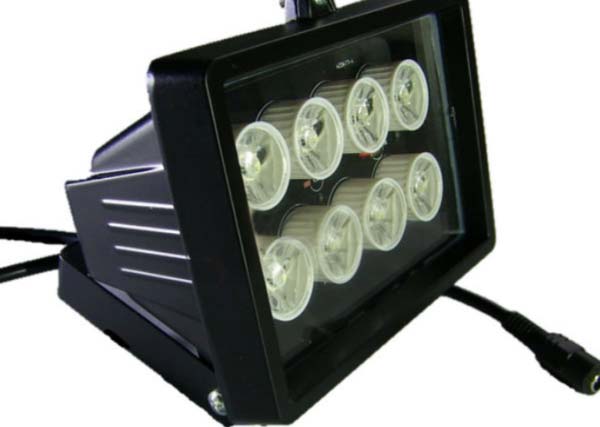
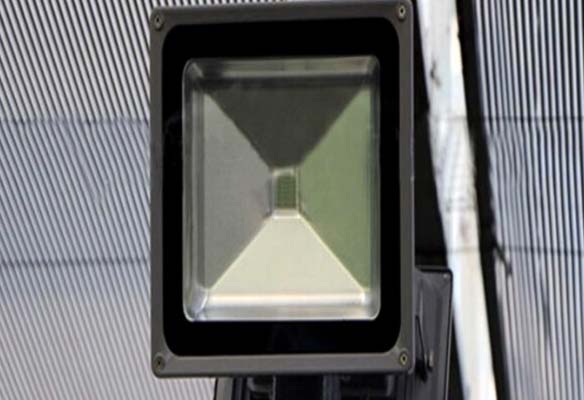
A fill light system is a decision before it is a purchase: does this house need supplementary light, how much of the shortfall has to be covered, and at what hours should the lamps run? This page covers those three questions — the conditions that reveal a shortage, the two clocks a crop runs on, and the mounting and reflection that decide whether light reaches the leaves. The fittings are described on our 120X3W LED grow light and LED grow light configuration pages.
1. First decide whether light is really the limiting factor
Season and latitude. The further the site sits from the equator, the shorter and weaker the winter day; a house that is self-sufficient in June often needs help in December.
Overcast spells. Cloud stretches as well as dims: a week of dull days lowers the running total even though each single day feels acceptable.
What the cover has become. Dust, algae and pollen on film or glass, condensation between layers, and shade from frame and trusses all take a share before light reaches the crop.
What the plants say. Stretched internodes, soft pale leaves, growth leaning to the brighter side and poor flowering in the lower canopy.
What a record says. Logging light at canopy level for a season separates a light problem from a temperature or irrigation one.
Overcast spells. Cloud stretches as well as dims: a week of dull days lowers the running total even though each single day feels acceptable.
What the cover has become. Dust, algae and pollen on film or glass, condensation between layers, and shade from frame and trusses all take a share before light reaches the crop.
What the plants say. Stretched internodes, soft pale leaves, growth leaning to the brighter side and poor flowering in the lower canopy.
What a record says. Logging light at canopy level for a season separates a light problem from a temperature or irrigation one.
2. Two clocks a crop runs on: photoperiod and daily light sum
Photoperiod is the length of the light and dark cycle. Many crops read the uninterrupted dark period to decide when to flower; where the natural day is too short for that, what is missing is hours, answered by a modest level spread over a long period that extends the day.
Daily light sum is the total light the canopy collects in a day, and growth follows that total, so a bright midday cannot make up for a short, dull morning and afternoon. Where the sum is short, what is missing is quantity, answered by more light over fewer, well-chosen hours.
Daily light sum is the total light the canopy collects in a day, and growth follows that total, so a bright midday cannot make up for a short, dull morning and afternoon. Where the sum is short, what is missing is quantity, answered by more light over fewer, well-chosen hours.
3. When to run the lights: extension, top-up or both
Before sunrise and after sunset. The lamps carry the first and last hours, so the crop gets a long, even photoperiod while midday runs on sunlight. This is the lightest duty on the installation.
Daytime top-up. The lamps run only while the house is already lit. It suits sites where the daily total is short, and can be stepped up on dull days and switched off when the sun returns.
Full day. A long schedule covering both, for very short or very weak natural days. It costs the most running hours and leaves the least headroom, so it should be the conclusion of the analysis, not the default.
Discipline. Keep a continuous dark period every day, because crops respire and develop in the dark; do not add light to a day that is already bright; and in a house closed for warmth, remember that added light is added heat. Let measured light, not a fixed clock, drive the switching.
Daytime top-up. The lamps run only while the house is already lit. It suits sites where the daily total is short, and can be stepped up on dull days and switched off when the sun returns.
Full day. A long schedule covering both, for very short or very weak natural days. It costs the most running hours and leaves the least headroom, so it should be the conclusion of the analysis, not the default.
Discipline. Keep a continuous dark period every day, because crops respire and develop in the dark; do not add light to a day that is already bright; and in a house closed for warmth, remember that added light is added heat. Let measured light, not a fixed clock, drive the switching.
4. Above the canopy: height, spacing and uniformity
Height. Higher up, each fitting covers a wider area but the same light is spread thinner and more of it escapes to the walls and roof. Lower down, the light stays on the crop, but the fittings crowd the working space and concentrate heat at the growing tips. Set the height for the tallest stage of the crop.
Spacing and overlap. Fittings are laid out as a system, not one by one: overlapping patterns along the beds or benches give a continuous band of light, while generous gaps leave dark lanes that the crop shows as uneven growth.
Uniformity beats peak. What matters is how even the light is across the canopy, not the brightest reading under one fitting: a hot spot bleaches the leaves beneath it while the neighbouring rows stay short. Whether a fitting throws a wide flood or a narrow beam decides how far apart rows can be.
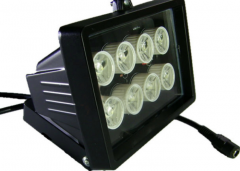
Fitting a wet environment. A greenhouse is humid and condensation-prone, so the fittings are built with a moisture-proof design and a large luminous flux, and are safe and reliable to use. Luminaires can be equipped according to customers' requirements, so cabling and joints can follow the crop, the bay widths and the structure.
Spacing and overlap. Fittings are laid out as a system, not one by one: overlapping patterns along the beds or benches give a continuous band of light, while generous gaps leave dark lanes that the crop shows as uneven growth.
Uniformity beats peak. What matters is how even the light is across the canopy, not the brightest reading under one fitting: a hot spot bleaches the leaves beneath it while the neighbouring rows stay short. Whether a fitting throws a wide flood or a narrow beam decides how far apart rows can be.
Fitting a wet environment. A greenhouse is humid and condensation-prone, so the fittings are built with a moisture-proof design and a large luminous flux, and are safe and reliable to use. Luminaires can be equipped according to customers' requirements, so cabling and joints can follow the crop, the bay widths and the structure.
5. Getting more out of the light you already have
Keep the cover clean and clear. Washing glass and film, clearing algae, dust and leaf litter and keeping roof panels and gutters free restores part of the transmission already lost.
Use reflective surfaces deliberately. A screen with an aluminised face bounces light back to the canopy, and closing it at night turns the house into a light box, so an evening or pre-dawn extension reaches the leaves instead of the roof. Reflective side walls and light-coloured floors return light that would otherwise be absorbed.
Reconcile lighting with shading. The two pull in opposite directions, so their schedules have to be settled by hour: shade when the sun is excessive, light when it is weak, and never leave a screen closed while the lamps work against it. Components sit in our greenhouse accessory range and the equipment catalogue.
Use reflective surfaces deliberately. A screen with an aluminised face bounces light back to the canopy, and closing it at night turns the house into a light box, so an evening or pre-dawn extension reaches the leaves instead of the roof. Reflective side walls and light-coloured floors return light that would otherwise be absorbed.
Reconcile lighting with shading. The two pull in opposite directions, so their schedules have to be settled by hour: shade when the sun is excessive, light when it is weak, and never leave a screen closed while the lamps work against it. Components sit in our greenhouse accessory range and the equipment catalogue.
6. Bringing the three decisions together
1. Whether to supplement. Compare a season of logged canopy-level light with the known requirement of the crop; if cover, season and overcast pattern leave a gap, supplementary light has a job to do.
2. How much. Size the system against that gap rather than a rule of thumb, and check whether the gap is in hours or in total quantity.
3. When. Choose extension, top-up or full day to match the purpose, keep the dark period intact, and let measured light decide the switching.
4. How to verify. Re-log the house after the first season; if the canopy still stretches and the total is still short, look at the layout and the schedule first.
Where lamps are switched and dimmed alongside vents, screens and heating, the lighting schedule becomes part of one climate strategy; our automatic control for greenhouse page covers how those signals are acted on. For background on protected cultivation, see the material published by the FAO and the reporting by Greenhouse Grower.
If you need to ask a question and get some help to find the best greenhouse for you, then just call us on +86 191 5068 3942 or send E-mail to sales@cngreenhouses.com.
2. How much. Size the system against that gap rather than a rule of thumb, and check whether the gap is in hours or in total quantity.
3. When. Choose extension, top-up or full day to match the purpose, keep the dark period intact, and let measured light decide the switching.
4. How to verify. Re-log the house after the first season; if the canopy still stretches and the total is still short, look at the layout and the schedule first.
Where lamps are switched and dimmed alongside vents, screens and heating, the lighting schedule becomes part of one climate strategy; our automatic control for greenhouse page covers how those signals are acted on. For background on protected cultivation, see the material published by the FAO and the reporting by Greenhouse Grower.
If you need to ask a question and get some help to find the best greenhouse for you, then just call us on +86 191 5068 3942 or send E-mail to sales@cngreenhouses.com.
Frequently Asked Questions: greenhouse fill light systems
Q1: How do I know whether my greenhouse is short of light?
Distance from the equator, long runs of overcast days and a cover that has lost transmission to dust or algae all point to a shortage; stretched internodes, pale leaves and poor flowering low in the canopy are the visible signs.
Q2: What is the difference between photoperiod and daily light sum?
Photoperiod is the length of the light and dark cycle, which crops use to time flowering; the daily light sum is the total quantity collected in a day. Short hours call for extending the day, a short total for more light over fewer hours.
Q3: Should I run fill lights before sunrise, after sunset, or all day?
Before sunrise and after sunset gives a long, even day with the fewest running hours. Daytime running adds to natural light and suits a shortfall in the daily total. A full-day schedule leaves the least headroom.
Q4: How high should the lights hang above the crop?
Set the height for the tallest stage of the crop. Higher mounting widens the covered area but thins the light; lower mounting keeps light on the plants but crowds the working space and concentrates heat at the tips.
Q5: Are the fill light fittings suitable for a humid greenhouse?
They are built for it, with a moisture-proof design and a large luminous flux, and are safe and reliable to use. Luminaires can be equipped according to customers' requirements, so cabling and layout can follow the humidity and structure of the house.
Q6: Can fill lighting be tied into the greenhouse control system?
Yes. Light, screens, vents and heating are usually driven from the same sensors, and running the lighting schedule alongside the shading schedule avoids a screen being closed while the lamps work against it.
Q1: How do I know whether my greenhouse is short of light?
Distance from the equator, long runs of overcast days and a cover that has lost transmission to dust or algae all point to a shortage; stretched internodes, pale leaves and poor flowering low in the canopy are the visible signs.
Q2: What is the difference between photoperiod and daily light sum?
Photoperiod is the length of the light and dark cycle, which crops use to time flowering; the daily light sum is the total quantity collected in a day. Short hours call for extending the day, a short total for more light over fewer hours.
Q3: Should I run fill lights before sunrise, after sunset, or all day?
Before sunrise and after sunset gives a long, even day with the fewest running hours. Daytime running adds to natural light and suits a shortfall in the daily total. A full-day schedule leaves the least headroom.
Q4: How high should the lights hang above the crop?
Set the height for the tallest stage of the crop. Higher mounting widens the covered area but thins the light; lower mounting keeps light on the plants but crowds the working space and concentrates heat at the tips.
Q5: Are the fill light fittings suitable for a humid greenhouse?
They are built for it, with a moisture-proof design and a large luminous flux, and are safe and reliable to use. Luminaires can be equipped according to customers' requirements, so cabling and layout can follow the humidity and structure of the house.
Q6: Can fill lighting be tied into the greenhouse control system?
Yes. Light, screens, vents and heating are usually driven from the same sensors, and running the lighting schedule alongside the shading schedule avoids a screen being closed while the lamps work against it.
Note: If you're interested in the product, please submit your requirements and contacts and then we will contact you in two days. We promise that all your informations won't be leaked to anyone.
 Deutsch
 Español
 Français
 Italiano
 Português
 日本の
日本の
 한국어
한국어
 العربية
 български
 hrvatski
 česky
česky
 Dansk
Dansk
 Nederlands
 suomi
suomi
 Ελληνικά
 हिन्दी
 norsk
norsk
 Polski
 Română
 русский
 Svenska